Mastering the Marble Texture Brush
In the evolving landscape of digital design, texture is no longer just an afterthought; it is a fundamental element that breathes life into flat compositions. Among the myriad tools available to modern creators, the Marble Texture Brush stands out for its ability to introduce organic elegance and sophisticated depth to a wide array of projects. Whether you are a seasoned graphic designer, a hobbyist crafter, or an entrepreneur looking to elevate your brand aesthetics, understanding how to leverage this specific tool can significantly enhance the visual impact of your work.
The appeal of marble lies in its timeless nature. It conveys luxury, stability, and artistic flair without overwhelming the viewer. By utilizing a specialized brush that replicates these natural stone patterns, you bypass the tedious process of creating realistic textures from scratch. Instead, you gain immediate access to high-quality, ready-to-use assets that integrate seamlessly into both digital and physical mediums.
The Versatility of Organic Patterns
One of the primary strengths of the Marble Texture Brush is its adaptability. Unlike rigid geometric patterns, marble veins flow unpredictably, offering a unique character to every stroke. This inherent randomness is invaluable for designers seeking to avoid the sterile look often associated with purely digital art. The brush allows for the creation of seamless patterns that can tile infinitely, making it an ideal choice for background designs, wallpapers, and large-format prints where continuity is essential.
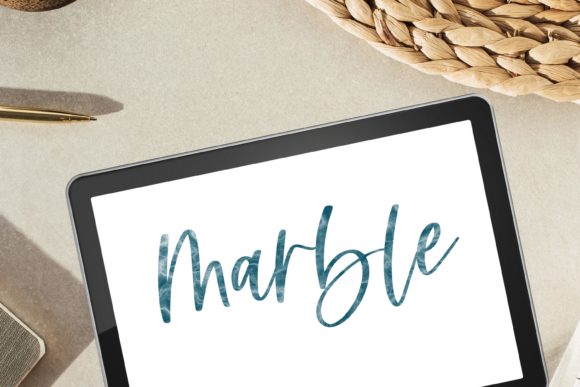
Beyond backgrounds, these textures serve as powerful accent elements. When applied to typography, they transform simple text into statement pieces. Imagine a bold headline on a poster where each letter is filled with swirling white and grey veins. The result is not just readable text but a visual experience that captures attention immediately. This technique is particularly effective in marketing materials, where standing out in a crowded visual field is crucial for engagement.
Practical Applications in Fashion and Merchandise
For those involved in print-on-demand businesses or handmade crafts, the utility of high-resolution marble textures cannot be overstated. Consider the growing market for personalized accessories. A plain key ring becomes a chic accessory when adorned with a subtle marble pattern. The texture adds a tactile visual quality that suggests premium materials, even if the base object is made of acrylic or metal.
Similarly, in the realm of apparel, handcraft t-shirts benefit immensely from these designs. A marble-infused graphic on a cotton tee offers a sophisticated alternative to standard cartoon prints or solid colors. It appeals to a demographic that values minimalist yet striking aesthetics. The same principle applies to costumes and theatrical wear. Designers can use these patterns to create fabrics that mimic expensive stone or exotic materials, adding depth to character costumes without the weight and cost of actual heavy textiles.
Posters and wall art also see a significant upgrade when marble elements are introduced. Whether used as a full-background canvas or as a framing device for photography, the texture provides a neutral yet interesting backdrop that allows other content to shine. It bridges the gap between modern minimalism and classical artistry, making it suitable for diverse interior design styles.
Technical Specifications and Usability
To truly capitalize on the potential of these textures, technical quality is paramount. Low-resolution images pixelate when scaled, ruining the illusion of smooth stone. This is why the format and resolution of your assets matter. A professional-grade pack should offer files that are versatile enough for both screen and print use.
When evaluating a Marble Texture Brush package, look for high DPI (dots per inch) ratings. A standard of 300 dpi ensures that your designs remain crisp and clear, whether they are being viewed on a retina display or printed on a large banner. Furthermore, the inclusion of transparent backgrounds is a game-changer for workflow efficiency.
Consider the following breakdown of a typical high-quality asset folder:
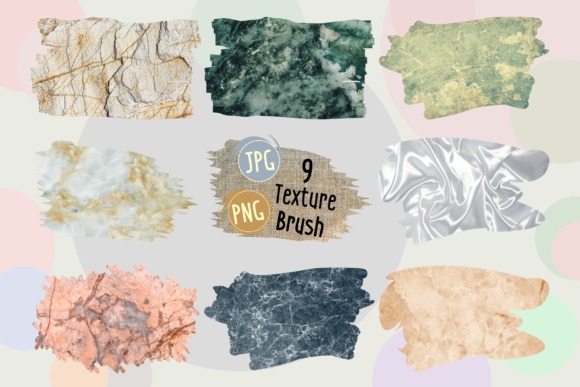
- 9 JPEG Files at 300 dpi: Ideal for quick projects where a solid background is acceptable or desired. These are perfect for web graphics, social media posts, and standard document inserts.
- 9 PNG Files at 300 dpi with Transparent Backgrounds: These are the workhorses of professional design. The transparency allows you to layer the marble texture over photos, colored backgrounds, or other graphics without any awkward white boxes or manual cutouts. This feature drastically reduces editing time and increases creative flexibility.
Having both formats in a single ZIP folder ensures that you are prepared for any project requirement. You do not need to convert files or worry about compatibility issues across different software platforms. Whether you are using Adobe Photoshop, Illustrator, Procreate, or even simpler tools like Canva, these universal file types integrate smoothly into your existing workflow.
Enhancing Branding and Communication
From a branding perspective, consistency is key. Using a cohesive set of textures helps establish a recognizable visual identity. If your brand values elegance, clarity, and strength, marble textures communicate these traits subconsciously to your audience. They can be used in business cards, letterheads, and digital presentations to maintain a professional and polished look.
Educators and publishers can also find value in these assets. Textbooks and educational materials often suffer from visual fatigue. Introducing subtle marble borders or background accents can break up text-heavy pages, making the content more approachable and visually engaging without distracting from the educational material itself. It adds a layer of sophistication that can elevate the perceived value of the publication.
Creating Unique Collages and Designs
The true magic happens when you stop using the textures in isolation and start mixing them. Combining marble patterns with other elements, such as quotes, gold foil accents, or botanical illustrations, creates dynamic collages. This mixed-media approach is trending heavily in contemporary design. It allows for the juxtaposition of the hard, cold feel of stone with soft, organic, or typographic elements.
For instance, overlaying a motivational quote on a dark marble background with white serif font creates a powerful image suitable for social media inspiration posts. The contrast ensures readability, while the texture adds emotional weight to the message. Entrepreneurs can use this technique for Instagram stories, Pinterest pins, and blog headers to maintain a high aesthetic standard across their digital presence.
Moreover, the ability to create your own amazing designs means you are not limited to pre-made templates. You have the freedom to experiment. Rotate the brushes, adjust opacity, and blend modes to achieve custom looks that reflect your unique creative voice. This level of customization is what separates generic design from memorable branding.
Final Thoughts on Digital Assets
Investing in high-quality digital assets like the Marble Texture Brush is an investment in your creative efficiency and output quality. It removes the barrier of technical skill required to paint realistic textures manually, allowing you to focus on composition, messaging, and overall design strategy. With 18 files included in a comprehensive pack, you have a robust library at your fingertips, ready to deploy across various projects ranging from small key rings to large-scale posters.
As you continue to explore the possibilities of digital texturing, remember that the best tools are those that disappear into the workflow, leaving only the enhanced result. This collection, designed and created by KiangStockDigiArt, aims to be exactly that: a reliable, versatile, and beautiful resource for your creative journey. Thank you for visiting my store, and may these textures inspire your next masterpiece.